
Holistic, Compassionate Hospice Care Serving Chino
Hospice focuses on comfort, dignity, and quality of life for people with life-limiting illness. Holistic hospice builds on that foundation by addressing physical symptoms as well as emotional, social, and spiritual needs—tailoring support to each person and family. This page explains how hospice and palliative care work, who typically qualifies in Chino, CA, and what families can expect from referral through care planning and bereavement. You’ll find clear eligibility criteria, examples of complementary therapies, step‑by‑step referral actions, and a practical look at how an interdisciplinary team coordinates symptom relief and caregiver support. The guidance reflects current, research‑informed approaches to pain and symptom control and outlines local pathways for families across Chino and nearby Southern California. Throughout, we use plain definitions, composite examples, and checklist-style steps so families and clinicians can move confidently from assessment to receiving care. Later sections describe how Legacy Hospice and Palliative Care supports eligibility assessments and coordinates referrals while keeping the focus on services, outcomes, and the family’s priorities.
What hospice care is — and who is eligible?
Hospice is a patient-centered approach to end-of-life care that emphasizes comfort and symptom control instead of curative treatment. An interdisciplinary team — clinicians, nurses, social workers, chaplains, and trained volunteers — works together to manage symptoms, support families, and preserve dignity. For many Chino families, hospice makes coordinated, compassionate care possible at home or in a facility when life expectancy is limited and goals shift toward comfort. Below we outline typical supports and provide a concise eligibility checklist clinicians and families use when deciding whether hospice is appropriate and how to begin the assessment.
How hospice teams support people with life-limiting illness
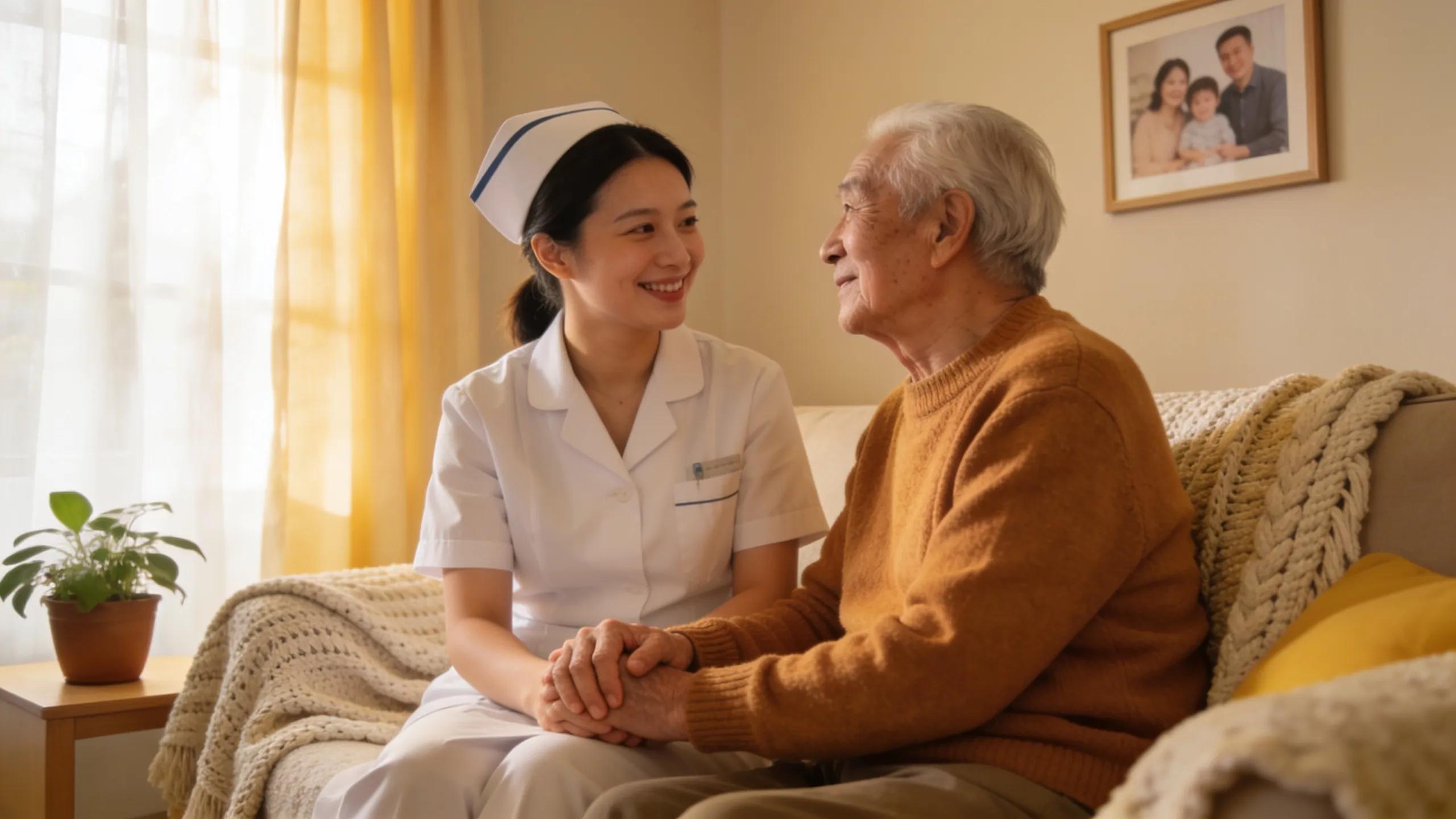
Hospice teams combine medical symptom control with practical help, emotional counseling, and spiritual care to treat the whole person. Clinicians—nurses and physicians—optimize medications, use non‑drug methods, and reassess regularly to keep the patient comfortable. Social workers and counselors guide advance care planning and family communication, while volunteers and spiritual care providers offer companionship and rituals that honor the patient’s values. This coordinated approach eases caregiver burden and, whenever possible, helps people remain at home with professional support and planned respite.
Typical eligibility criteria for hospice care in Chino, CA.
Hospice eligibility is usually based on clinical indicators suggesting a prognosis of about six months or less if the illness follows its expected course, together with a choice to prioritize comfort over curative treatment. Physician certification documents the prognosis and eligibility; patient or surrogate consent begins enrollment and care planning. Common next steps are a clinical referral, an eligibility assessment by the hospice intake team, and scheduling an initial interdisciplinary visit to create a plan of care. Clear documentation and early communication between referring clinicians, patients, and families speed access and set realistic goals for symptom control and support.
| Eligibility | Needed documentation | Usual next steps |
|---|---|---|
| Prognosis ≤ 6 months (if illness follows usual course) | Physician certification or clinical note | Begin hospice referral and schedule intake assessment |
| Decision to focus on comfort rather than curative therapy | Advance directive or documented goals‑of‑care discussion | Interdisciplinary team meeting to develop plan of care |
| Ability to benefit from hospice services | Recent clinical summary and current medication list | Nurse visit and initiation of a symptom management plan |
This table summarizes the core eligibility elements, the paperwork typically requested, and the immediate actions families and clinicians can expect during referral and intake.
After reviewing eligibility and the scope of available support, Legacy Hospice and Palliative Care in Chino acts as a local partner to guide assessments and coordinate referrals. We help clinicians with certification steps and schedule intake evaluations so patients can begin interdisciplinary hospice services without undue delay.
How palliative care differs from hospice — and when each is appropriate
Palliative care is specialized symptom-focused care available at any stage of a serious illness; hospice is a specific type of palliative care provided when a life expectancy of months is expected and the emphasis becomes comfort. Palliative care can be offered alongside curative or life‑prolonging treatments to manage symptoms, clarify goals, and coordinate care. Both approaches use interdisciplinary assessment and symptom-directed therapies to improve functioning and reduce avoidable hospital visits. Knowing the difference helps families and clinicians choose the right service at the right time.
Early palliative involvement can prevent crises and ease transitions between settings, which is why timely referral and coordination matter. When palliative teams work alongside treating clinicians, they support decision‑making, manage medications, and help patients remain as comfortable and functional as possible. Legacy Hospice and Palliative Care offers both hospice and palliative services and coordinates closely with treating physicians to maintain continuity and align care with each patient’s goals.
- Palliative care relieves symptoms and improves quality of life at any stage of illness.
- Hospice care focuses on comfort and support when prognosis is limited.
- Both rely on interdisciplinary teams to manage symptoms and support families.
Benefits of palliative care at any stage
Palliative care eases symptoms, clarifies goals, and coordinates care across multiple providers to reduce fragmentation. Research and clinical experience show palliative involvement lowers symptom burden, decreases emergency visits, and improves satisfaction for patients and families. Early consultation helps set realistic goals and supports shared decision‑making, often resulting in care that better matches patient values. Palliative teams also equip caregivers with education and resources, and they smooth transitions to hospice when that becomes appropriate.
How palliative care works with curative treatments
Palliative teams partner with specialists and primary clinicians through consultations, shared care plans, and ongoing symptom management while disease‑directed therapy continues. Integration happens via regular interdisciplinary meetings, shared documentation, and clear communication so medications and procedures align with patient goals. For example, a person receiving chemotherapy may also have a palliative plan for nausea, fatigue, and pain that is adjusted in real time based on symptom scores and patient feedback. This collaboration reduces treatment interruptions and keeps quality of life central to decisions.
What holistic hospice care includes
Holistic hospice combines medical care for pain and symptoms with psychosocial, spiritual, and complementary therapies, caregiver respite, and bereavement support—delivered by an interdisciplinary team. The strength of holistic care lies in person-centered planning that pairs evidence‑based medical treatments with non‑pharmacologic options to address comfort, meaning, and emotional needs. Below is a brief list of core services, followed by a table showing who typically provides each service and how often.
- Medical and nursing care: Ongoing symptom assessment, medication management, and interventions to maintain comfort.
- Social work and counseling: Practical supports, caregiver coaching, and emotional counseling for families.
- Spiritual care and chaplaincy: Help with meaning, rituals, and spiritual practices that reflect the patient’s values.
- Complementary therapies: Non‑drug approaches such as music therapy, massage, and aromatherapy to support relaxation and comfort.
These service areas work together to create a coordinated plan of care tailored to the patient and family.
| Service category | Typical provider(s) | Typical goals / frequency |
|---|---|---|
| Nursing services | Registered nurses and nursing aides | Regular visits for symptom assessment and medication adjustments; daily to weekly as needed |
| Pain & symptom management | Hospice physicians, nurse practitioners, pharmacists | Rapid‑response plans for pain, breathlessness, nausea; frequent reassessment and titration |
| Social work & counseling | Social workers, counselors | Care coordination, caregiver coaching, psychosocial counseling; weekly or as needed |
| Spiritual & bereavement support | Chaplains, spiritual care volunteers | Rituals, meaning‑making, and bereavement follow‑up for months after death |
This table clarifies who typically provides each element of holistic hospice care and the usual cadence of support families can expect.
How pain and symptoms are managed
We use a multimodal approach to pain and symptom control that combines medication optimization, standardized assessment, and complementary techniques to reduce distress. Clinicians rely on pain scales and symptom measures to guide medication choices and dosing, while nurses perform frequent reassessments to ensure rapid relief. Non‑pharmacologic methods—positioning, relaxation, massage, or music therapy—are integrated to enhance comfort and sometimes reduce medication needs. Coordination with primary physicians and pharmacists prevents interactions and keeps symptom plans consistent with overall goals of care.
Emotional, spiritual, and bereavement support
Emotional and spiritual supports include counseling, chaplain visits, family meetings for difficult decisions, and structured bereavement programs that continue after a loved one dies. Bereavement services often include short‑term counseling and group resources, with longer follow‑up when needed. Spiritual care is personalized to each patient’s beliefs and may include rituals, prayer, or connections to community faith leaders. Social workers help with practical concerns and caregiver coping strategies. Together these services reduce isolation, foster closure, and assist families through grief while informing advance care planning and referral pathways.
Why families choose Legacy Hospice and Palliative Care.
Legacy Hospice and Palliative Care is a local Chino, CA, provider offering professional, person‑centered hospice and palliative services. We create individualized care plans, field a dedicated interdisciplinary team of clinicians and volunteers, and stay committed to compassionate support throughout the end‑of‑life journey. We clearly distinguish hospice and palliative approaches and coordinate with treating physicians so medical management and personal goals stay aligned. Our work centers on individualized assessments, collaborative care planning, and community volunteer support to preserve dignity whether care happens at home or in a facility. Below are practical features and the stepwise process families can expect when we develop and deliver personalized plans.
- Personalized care plans shaped by clinical assessment and family priorities.
- A team that blends clinical expertise with trained volunteer support for medical and psychosocial needs.
- Close coordination with local clinicians to ensure continuity and timely symptom control.
Who is on the compassionate care team?
The care team typically includes a hospice physician or medical director, nurse practitioners and registered nurses, social workers, chaplains or spiritual care providers, trained volunteers, and bereavement counselors. Clinicians manage symptoms and medications; social workers address psychosocial needs and logistics; chaplains attend to spiritual concerns; and volunteers offer companionship and respite. The team meets regularly to review goals, update care plans, and keep families and primary clinicians informed. This interdisciplinary collaboration ensures medical, emotional, and practical needs are addressed together.
How personalized care plans are created and delivered
Care plans begin with a thorough initial assessment that documents medical history, symptom burden, psychosocial needs, and patient and family goals. The interdisciplinary team synthesizes the assessment into measurable goals and a clear plan that sets responsibilities and visit frequency. Plans are carried out through coordinated visits, family teaching, medication management, and rapid‑response protocols for symptom escalation, with scheduled reviews to adjust care as needs change. This ongoing cycle keeps care aligned with the patient’s evolving preferences and clinical status.
How families and caregivers access resources and support
Families and caregivers can access hospice and palliative services by following straightforward steps: request an eligibility assessment, gather clinical documentation, and work with an intake coordinator to arrange an initial interdisciplinary visit. These steps streamline access and ensure clinicians and families have the information needed to create a responsive plan of care. The list below offers immediate actions, followed by a summary of common financial and insurance options and guidance on advance care planning and local referral pathways.
- Request an assessment: Ask a treating clinician or a family caregiver to initiate a hospice or palliative referral.
- Prepare documentation: Gather recent clinical notes, a current medication list, and any advance directives.
- Schedule intake: Coordinate with the receiving agency to set an initial visit and interdisciplinary planning session.
These steps outline the practical sequence from referral to receiving services and lead into a summary of common payment pathways.
| Program / option | Coverage scope | How to access |
|---|---|---|
| Medicare hospice benefit | Covers hospice services, medications related to the terminal diagnosis, and necessary equipment | Request a hospice evaluation via clinician referral and provide Medicare information at intake |
| Private insurance | Varies by plan; may cover hospice and palliative services | Contact your insurer and provide hospice intake documentation |
| Local assistance & community resources | Supplemental help for transportation, respite, or counseling | Ask the social worker during intake for local referrals and help applying for assistance |
This table outlines common coverage types, typical inclusions, and practical next steps families should take to confirm benefits and access support.
Financial assistance and insurance options
The Medicare hospice benefit commonly covers medical and supportive services for eligible patients, including medications related to the terminal condition and necessary equipment, which can greatly reduce out‑of‑pocket costs. Private insurance varies by plan; families should verify benefits and work with hospice intake to submit required documentation. Social workers and intake coordinators can identify local programs for transportation or counseling when gaps exist. Clear communication with insurers and the hospice team helps make the most of available benefits and clarifies any remaining responsibilities.
How Legacy Hospice helps with advance care planning and referrals
Legacy Hospice and Palliative Care supports advance care planning by facilitating documentation, guiding goals‑of‑care conversations, and helping complete POLST forms or advance directives when appropriate—always centering the patient’s values. We work with referring clinicians to streamline referrals, confirm eligibility, arrange timely intake visits, and communicate the interdisciplinary plan to all parties. Practical next steps include contacting our intake team to schedule an assessment and providing recent clinical summaries to speed certification and plan initiation. This coordinated approach reduces delays and helps families transition smoothly into supportive hospice or palliative services.
What patients and families say about their experience with Legacy Hospice
Families commonly describe compassionate care, effective symptom relief, and clear communication from interdisciplinary teams—feedback that speaks to consistent practices rather than single comments. Typical themes are improved patient comfort, clearer decision making for families, and fewer crisis-driven hospital visits. Composite stories show how bedside spiritual care, volunteer companionship, and rapid nursing response can change the experience of dying for patients and caregivers. The brief synthesis below ties these themes to concrete services you can expect.
- Better symptom control and comfort for patients approaching end of life.
- Clear, compassionate communication that helps families make informed decisions.
- Ongoing bereavement support that helps families after a loss.
Patient stories that illustrate holistic hospice care
Composite examples often follow a pattern: a person with uncontrolled pain receives a rapid medication adjustment plus a complementary therapy, regains comfort, and shares meaningful time with family. In another example, proactive social work support arranges respite and clarifies caregiving tasks, reducing burnout and stabilizing home‑based care. These anonymized vignettes show how clinical, psychosocial, and spiritual supports combine to improve quality of life and family functioning—helpful models for readers considering similar supports.
How testimonials reflect quality and compassionate care
Synthesized family feedback highlights responsiveness, strong interdisciplinary coordination, and respect for patient values as markers of quality. These patterns line up with measurable aspects of hospice performance: timely symptom relief, consistent team communication, and structured bereavement follow‑up. Families seeking similar results should look for providers who document care plans, offer rapid‑response symptom protocols, and provide organized emotional and spiritual support. For more information or an eligibility evaluation, request an assessment through Legacy Hospice and Palliative Care to discuss individualized planning and local referral steps.