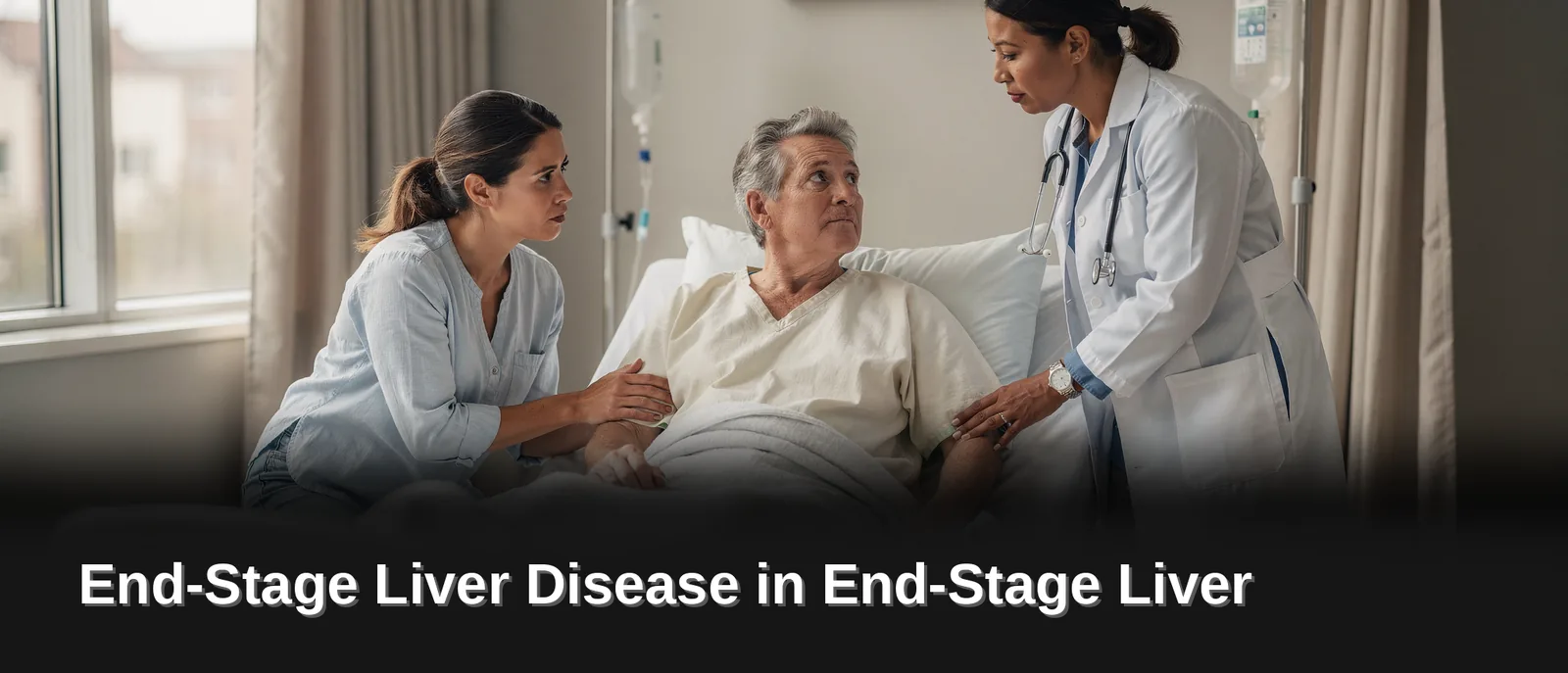

Find Out If You Qualify for Hospice Care
Knowing whether hospice is the right step can lift a heavy weight for patients and families. This guide explains the practical criteria for hospice admission and what to expect from the process. Hospice prioritizes comfort, symptom relief, and emotional support instead of treatments aimed at cure. The rules for entering hospice can feel complex—our goal is to make them clear. Below we cover the basic requirements, disease-specific guidelines, how Legacy Hospice assesses eligibility, what insurance may cover, and the supports available to families and caregivers.
Core Requirements to Qualify for Hospice
Hospice admission depends on a few central criteria designed to match care to need. In general, a patient must have a terminal diagnosis, a reasonably expected life expectancy of six months or less if the illness follows its typical course, and a decision to emphasize comfort-focused care rather than further curative treatments. These conditions help ensure hospice resources go to those who will benefit most.
The Prognosis Criterion: What It Means
One key requirement is a physician’s certification that the patient has a terminal illness with a likely life expectancy of six months or less if the disease proceeds normally. Conditions commonly meeting this standard include advanced cancer, end-stage heart disease, and severe chronic obstructive pulmonary disease (COPD). Knowing this rule helps families and clinicians discuss whether hospice is an appropriate option.
How a Terminal Diagnosis Affects Eligibility
A terminal diagnosis often marks a period of increasing symptoms and declining function, where hospice can offer meaningful comfort and support. Studies show hospice improves symptom control and overall quality of life for patients and their families. That comprehensive support—pain and symptom management, emotional care, and practical help—makes hospice an important option when curative care is no longer the focus.
Disease-Specific Rules and How They Matter
Different illnesses follow different courses, so eligibility can depend on disease-specific signs of decline. Understanding those indicators can help families and clinicians identify when hospice may be appropriate.
Eligibility for Advanced Dementia and Alzheimer’s
For advanced dementia or Alzheimer’s, clinicians look for clear functional decline: severe cognitive impairment, inability to perform usual daily activities, and overall medical deterioration. Tools like the Functional Assessment Staging Tool (FAST) are commonly used to document the level of impairment. These measures help ensure patients with dementia receive care that matches their needs and goals.
Research has examined how hard it can be to predict survival in advanced dementia and how well prognostic tools and guidelines identify patients who would benefit from hospice.
Hospice Eligibility & 6-Month Survival in Advanced Dementia
Abstract: Predicting life expectancy in advanced dementia is difficult, and that uncertainty can limit hospice use. This study prospectively compared the Advanced Dementia Prognostic Tool (ADEPT) with existing hospice eligibility guidelines to see how accurately each estimated six‑month survival among nursing home residents with advanced dementia.
Prediction of 6-month survival of nursing home residents with advanced dementia using
ADEPT vs hospice eligibility guidelines, SC Miller, 2010
Eligibility for Heart Failure, COPD, and Cancer
Each condition has specific clinical markers used to assess hospice eligibility. For heart failure, examples include New York Heart Association (NYHA) Class IV symptoms, repeated hospitalizations for heart failure, and very low ejection fraction (for example,
Identifying patients with an expected prognosis of six months or less for advanced organ diseases—like heart failure, COPD, or liver disease—has been the focus of research and clinical discussion.
Prognostic Criteria for Hospice Eligibility in Advanced Organ Disease
Abstract: Advocates call for better access to hospice for people with advanced lung, heart, or liver disease, but eligibility usually requires a prognosis of less than six months. This study evaluated how well existing criteria identify hospitalized patients with one of these chronic, life‑limiting diseases who are likely to survive six months or less.
Evaluation of prognostic criteria for determining hospice eligibility in patients with advanced lung, heart, or liver disease, E Fox, 1999
How Legacy Hospice Determines Eligibility
Legacy Hospice follows a clear, patient-centered assessment to confirm eligibility and match services to needs. The process typically includes an initial conversation, review of clinical records, and thorough assessments of the patient’s medical, emotional, and social needs.
Initial Consultation and Medical Records Review
At the first visit or call, our team collects the patient’s medical history, reviews relevant records, and discusses current symptoms and treatment goals. We listen to families and clarify options, making sure decisions reflect the patient’s wishes and clinical realities. Our approach is practical, compassionate, and focused on clear next steps.
Physical and Psychosocial Assessment
Physical and psychosocial evaluations look at pain and symptom burden, daily functioning, emotional needs, and caregiver support. The hospice team uses standardized tools and clinical judgment to build a personalized plan of care that addresses both medical and emotional needs—so care supports the whole person and their family.
How Insurance Affects Hospice Admission
Insurance coverage affects how hospice services are paid for and can shape specific next steps. Understanding common coverage rules helps families plan and avoid surprises.
Medicare Hospice Benefit: What to Know
Medicare’s hospice benefit covers a wide range of services for eligible patients who meet the clinical criteria described above. To qualify under Medicare, a physician must certify a terminal illness with an expected life expectancy of six months or less if the disease follows its usual course, and the patient must elect hospice care instead of curative treatment. These rules are central to accessing Medicare‑funded hospice services.
Medicaid and Private Insurance Coverage
Medicaid and many private insurers also cover hospice, but specifics vary by state and by plan. Medicaid programs generally include hospice benefits for eligible beneficiaries; private plans may have different rules or limits. We recommend reviewing policy details or speaking with a hospice intake specialist to confirm coverage and next steps.
Support for Families and Caregivers
Hospice care includes support for the whole family. Services extend beyond medical care to help caregivers and loved ones through practical and emotional challenges.
Emotional and Bereavement Support
Hospice teams provide counseling, grief support, and educational resources for families. These services—offered before and after a patient’s death—help families cope emotionally and navigate practical tasks that follow. Bereavement support is an essential part of comprehensive hospice care.
Respite Care for Caregivers
Respite care gives caregivers temporary relief while ensuring the patient continues to receive skilled care. This service helps prevent caregiver burnout and gives families time to rest, attend to other responsibilities, or recharge—knowing their loved one is safe and supported.
Hospice vs. Palliative Care: Key Differences
Hospice and palliative care both focus on comfort, but they serve different needs and times in an illness.
How Focus and Timing Differ
Hospice is intended for patients with a terminal diagnosis and a life expectancy of about six months or less who choose comfort-focused care. Palliative care, by contrast, can be provided at any stage of a serious illness alongside curative treatments and concentrates on symptom relief and quality of life. The timing and goals of care are the main differences.
Distinct Eligibility Criteria
Eligibility differs mainly in timing and treatment goals. Hospice requires a terminal prognosis and a shift away from curative care, while palliative care is available regardless of prognosis and can be used together with treatments meant to cure or control illness. Understanding these distinctions helps families choose the right support at the right time.