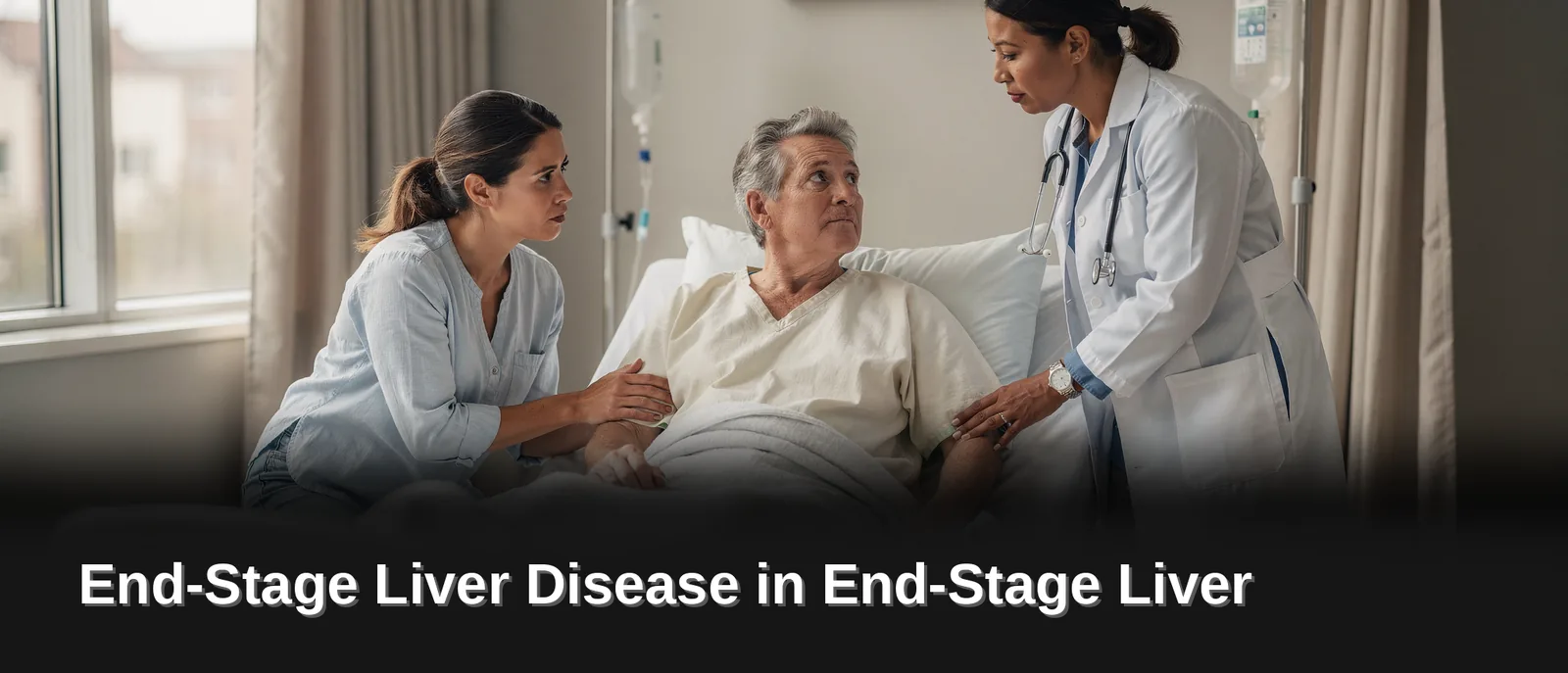

Distinguishing Palliative Care and Aggressive Treatments
Hospice vs. Palliative Care: Navigating Treatment Choices
By Rickie Leos, Legacy Hospice & Palliative Care
Understanding the nuances of end-of-life care can significantly impact the choices families make during challenging times. Hospice and palliative care often get conflated, but they serve different purposes in the context of aggressive treatment options. This article aims to clarify these distinctions, focusing on how they relate to patient comfort, treatment goals, and eligibility criteria. By demystifying the differences, families can make informed decisions that align with their loved ones’ needs and preferences.
We will delve into various aspects, including the fundamental principles of hospice care, the key differences between hospice and palliative care, and how aggressive treatment options are perceived in both settings. Additionally, we will explore how families can effectively navigate these difficult decisions and what support services are available through hospice providers like Legacy Hospice Care.
What Is Hospice Care and Its Focus on Comfort?
Hospice care is designed primarily to prioritize comfort for patients with terminal illnesses. The focus shifts from curative treatment to providing compassionate support aimed at enhancing the quality of life during the final stages. An interdisciplinary care team, which includes doctors, nurses, social workers, and spiritual advisors, collaborates to address not only the physical symptoms but also the emotional and spiritual needs of patients and their families.
In hospice care, patients receive comfort-focused medical services that aim to minimize discomfort and improve quality of life. This approach facilitates a dignified end-of-life experience, where the emphasis is on ensuring patients feel supported and valued in their remaining time.
Differences Between Hospice Care and Palliative Care
Understanding how hospice and palliative care differ is crucial for making informed healthcare decisions. One of the most significant distinctions is the timing and prognosis of care. While hospice care is tailored for individuals with a prognosis of six months or less to live, palliative care can be provided at any stage of a serious illness, regardless of life expectancy.
In terms of treatment goals, hospice care eliminates curative efforts in favor of comfort, whereas palliative care encompasses a wide range of treatments, including aggressive therapies, aimed at alleviating symptoms while still pursuing a diagnosis-specific treatment plan.
How Does Hospice Care Prioritize Patient Quality of Life?
Hospice care promotes patient quality of life by employing various pain management techniques and supportive therapies such as music therapy and meditation. Emotional and spiritual support are also integrated to address the holistic needs of the patient, ensuring they feel valued and cared for. This comfort-focused approach allows patients to live their remaining days as fully as possible, fostering a sense of autonomy and dignity.
What Are the Eligibility Criteria for Hospice Care?
To qualify for hospice care, patients typically must have a terminal diagnosis with a prognosis of six months or less, as determined by a healthcare provider. Additional criteria include demonstrating a significant decline in functional status and a desire to prioritize comfort over curative treatment options. Proper documentation is required to initiate hospice services, often initiating a supportive care transition for both the patient and their family.
How Does Palliative Care Include Aggressive Treatment Options?
Palliative care is uniquely positioned to provide symptom management alongside aggressive treatment options at any stage of a serious illness. Unlike hospice, which completely shifts the focus towards comfort care, palliative care seeks to optimize the quality of life for patients while addressing their individual treatment preferences and goals.
What Types of Aggressive Treatments Are Used in Palliative Care?
Aggressive treatments in palliative care can encompass a variety of interventions, including chemotherapy, radiation therapy, and advanced surgical options, all while managing potential side effects through symptom relief. The aim is to provide relief from pain and discomfort while actively treating the underlying illness, allowing patients to experience a higher quality of life during their treatment.
When Is Palliative Care Combined with Curative Treatments?
Palliative care can be effectively integrated with curative treatments early in the course of a serious illness. Studies have shown that patients who receive palliative care alongside aggressive treatment options often experience fewer hospital readmissions and improved quality of life. For instance, patients receiving palliative care during chemotherapy may have better symptom management and greater emotional support, enhancing their overall treatment experience.
Hospice vs. Palliative Care: Navigating Treatment Choices
When comparing hospice, palliative, and curative care, understanding their distinct purposes and goals is essential. Each care type is defined by its focus, eligibility, and treatment intentions, leading to different outcomes for patients and families.
| Care Type | Focus Area | Eligibility |
|---|---|---|
| Hospice Care | Comfort and support | Terminal diagnosis, typically ≤ 6 months to live |
| Palliative Care | Symptom management | Can be at any stage of illness |
| Curative Care | Treatment of illness | Generally requires a diagnosis to pursue aggressive treatment |
This table clarifies how these care options serve different patient needs and situations, allowing families to align their choices with their loved ones’ circumstances.
How Do Treatment Goals Differ Among These Care Types?
The treatment goals among hospice, palliative, and curative care vary significantly. Hospice care aims for comfort, palliative care targets symptom management while pursuing curative treatment, and curative care focuses on eliminating the disease. Patients and families must carefully consider these goals when making treatment decisions, balancing quality of life with medical interventions.
When Should Families Consider Transitioning from Curative to Hospice Care?
Transitioning to hospice care may be necessary when curative treatments cease to provide benefits, either due to disease progression or the emergence of severe side effects that significantly impair quality of life. Families should be attuned to signs that curative treatment is no longer effective, such as increasing hospitalization or a noticeable decline in the patient’s condition. Emotional considerations also play a crucial role, emphasizing the importance of clear communication and planning during this challenging time.
How Can Families Effectively Navigate End-of-Life Care Decisions?
Navigating end-of-life care decisions can be daunting for families. Essential steps include assessing the patient’s individual needs, discussing preferences with healthcare professionals, and utilizing available community resources to support informed decision-making. It is crucial for families to feel empowered and supported throughout this process, ensuring they make choices that honor their loved one’s wishes.
What Support Services Does Hospice Care Provide for Families?
Hospice care offers a range of support services that are essential for families during this sensitive time. These services include respite care, emotional support counseling, and practical assistance with daily needs. By providing these resources, hospice aims to ease the burdens faced by families, allowing them to focus on spending meaningful time with their loved ones.
How Can Clear Communication Improve Care Planning?
Effective communication is vital in care planning involving multiple stakeholders, including healthcare providers, patients, and families. Structured discussions can help clarify care goals, treatment options, and patient preferences, while open dialogue fosters a shared understanding of the situation. Utilizing educational resources can also enhance knowledge and confidence in decision-making, creating a supportive environment that benefits everyone involved.