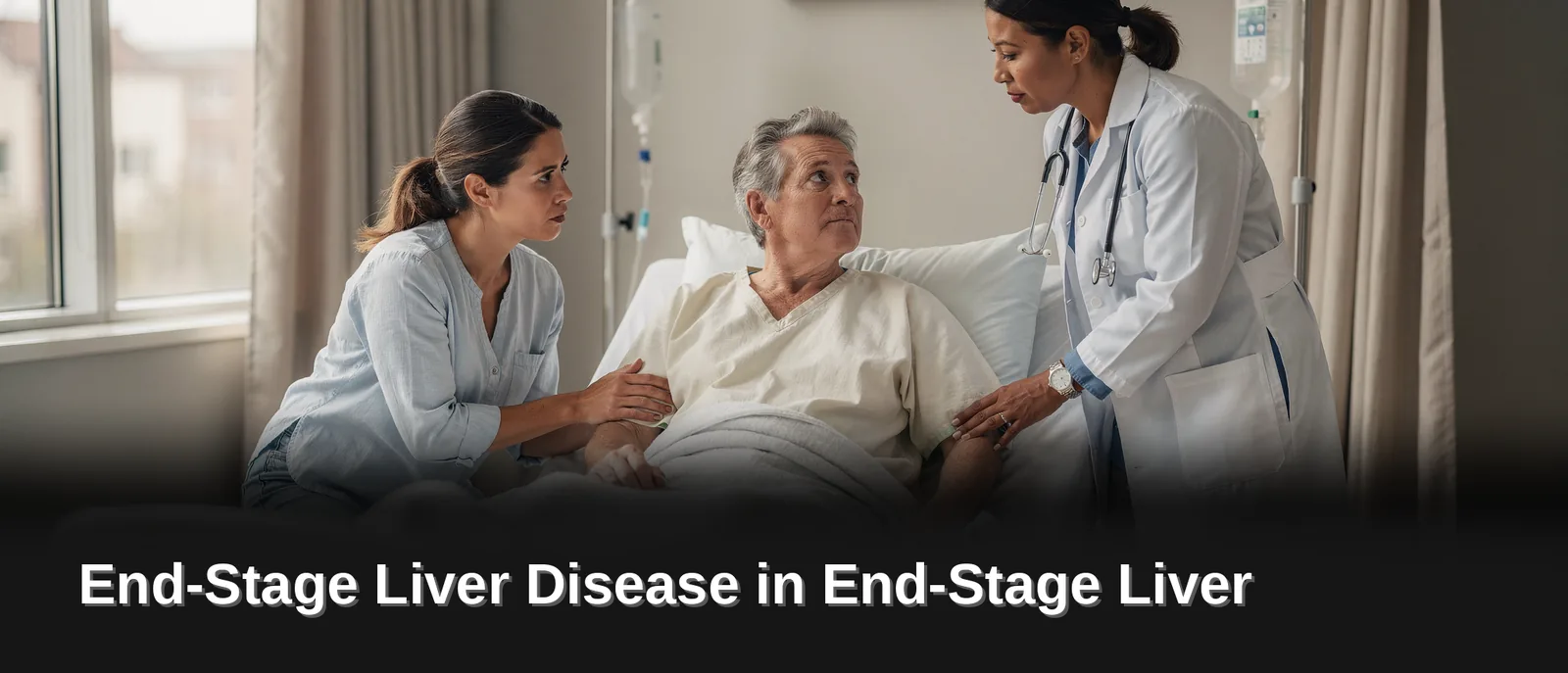

When Is It Time for Hospice? Key Signs of End of Life
5 Compassionate Signs It’s Time for Hospice Care
By Rickie Leos, Legacy Hospice & Palliative Care
Recognizing when a loved one may require hospice care can be an emotional and challenging experience. Families may struggle to understand the signs indicating that end-of-life care is necessary. This article aims to enlighten families about the five compassionate signs that suggest when it might be time for hospice. By understanding these indicators, families can make informed decisions that prioritize comfort and quality of life. We will discuss changes in physical abilities, emotional shifts, and the practical steps families can take as they navigate this difficult journey.
5 Compassionate Signs It’s Time for Hospice Care

Families should recognize several key signs that indicate when hospice care may be appropriate. Understanding these signs can bring clarity to a challenging time and guide conversations about necessary care for loved ones. Some of the most important signs include:
- Signs of Functional Decline: A noticeable decrease in the ability to perform daily activities, such as bathing or dressing, may indicate the need for hospice.
- Worsening Symptoms: An increase in pain, fatigue, or difficulty breathing signifies that medical interventions may no longer be effective.
- Increased Hospitalizations: Frequent trips to the hospital may suggest that home care is becoming insufficient for managing the loved one’s health needs.
Following these signs helps families assess the suitability of hospice care, providing greater comfort in the decision-making process.
How Do Changes in Physical Abilities Signal Hospice Readiness?
Physical changes serve as crucial indicators of a loved one’s condition and readiness for hospice care. Families may observe an increasing difficulty with daily activities such as walking, eating, or using the bathroom. These physical declines often correlate with significant health deterioration and indicate that the patient may benefit from hospice services. Other warning signs include frequent hospital admissions and uncontrolled symptoms that cannot be managed effectively at home. Recognizing these changes creates a stronger understanding of the patient’s need for support and guidance in their final days.
What Behavioral and Emotional Changes Suggest It’s Time for Hospice?
Emotional and behavioral shifts can be just as telling as physical changes when assessing the appropriateness of hospice care. Increased anxiety, depression, or withdrawal from social interactions may indicate that the individual is experiencing distress related to their condition. Additionally, if the patient expresses a shift in their care goals, such as a desire to forego further medical treatments, this could signal their readiness for hospice. By being attentive to these behavioral cues, families can better support their loved ones’ emotional needs and facilitate important discussions around transitioning to hospice care.
Timely and effective pain and symptom management is a cornerstone of compassionate end-of-life care, directly influencing the comfort and well-being of patients and their families.
Family Perspectives on End-of-Life Pain & Symptom Management
Participants revealed that pain and symptom management was key element in family response. We recognized recurrent categories and further coded these into categories acknowledging both Family perspectives on end-of-life care: a metasynthesis, 2012
How Is Hospice Care Eligibility Determined in California?
Understanding the eligibility criteria for hospice care can help families navigate the complex healthcare system. In California, several key requirements must be met for a patient to qualify for hospice services. Patients must have a terminal diagnosis and a prognosis of six months or less to live if the illness runs its normal course. Moreover, hospice care is focused on comfort rather than curative treatment, which aligns with the patients’ goals to improve their quality of life during their final days. These criteria ensure that patients receive the compassionate and appropriate care they deserve.
What Are the Specific Hospice Criteria Families Should Know?
Families should familiarize themselves with specific eligibility criteria for hospice care. The following considerations are crucial:
- Terminal Diagnosis: A confirmed diagnosis of a terminal illness is required.
- Significant Functional Decline: An observable decline in functional abilities is necessary.
- Documentation Requirements: Physicians must provide documentation certifying that the patient meets these criteria for hospice eligibility.
By comprehending these essential criteria, families can more effectively approach conversations regarding hospice care and understand when such services may be warranted.
How Can Families Recognize End-of-Life Symptoms to Decide if Hospice Is Right?
Recognizing end-of-life symptoms is pivotal for families considering hospice care. Some of these symptoms include decreased appetite, profound fatigue, and a significant reduction in communication or engagement with others. Understanding these signs allows families to prepare for the next steps, ensuring that their loved ones receive the compassionate support they need during this stage of life.
Involving families in symptom management is crucial, as their active participation can significantly enhance the patient’s comfort and quality of life during end-of-life care.
Family Involvement in End-of-Life Symptom Management
considerable influence at end of life. Studies have suggested that family members should be included with the patient and provide support surrounding symptom management, treatment
Recognition by family members that relatives with neurodegenerative disease are likely to die within a year: A meta-ethnography, L Forbat, 2012
Which Common Medical Conditions Signal the Need for Hospice Care?
Several medical conditions are typically associated with a transition to hospice care. Conditions such as advanced cancer, debilitating heart disease, chronic obstructive pulmonary disease (COPD), and severe dementia can indicate that hospice may be the next appropriate step for treatment. These conditions often lead to a decline in physical and mental function, making hospice services essential for managing comfort and care.
What Role Do Hospice Care Counselors Play in Guiding Families?

Hospice care counselors serve as essential guides for families navigating this difficult journey. These professionals provide educational resources, emotional support, and logistical assistance as families prepare for a transition into hospice care. They help families understand the options available, answer questions about the process, and facilitate important conversations about end-of-life wishes, ensuring that the patient’s desires are respected and honored.
The vital role of physicians in end-of-life care extends to recognizing and supporting families, ensuring effective pain management and respectful communication.
Physician Skills in End-of-Life Care: Patient & Family Perspectives
and recognition of the family; competence; pain and symptom management; emotional support, personalization; attention to patient values; respect and humility; and support of patient Understanding physicians’ skills at providing end‐of‐life care: perspectives of patients, families, and health care workers, JR Curtis, 2001
What Are the Practical Steps Families Should Take When Considering Hospice Care?
Taking the step towards hospice care can feel overwhelming, but following a few practical steps can ease the transition. Firstly, it is vital for families to open a dialogue with their loved ones regarding their preferences and concerns. As discussions progress, they can gather necessary medical documentation, engage healthcare professionals for insights, and explore available hospice services in their area. For more information on how to navigate this, families can learn about hospice resources.
Furthermore, families should prioritize their well-being as they navigate this process. Taking time to care for oneself allows for better support for the loved one during their final days.
How Can Families Start Conversations About Hospice with Loved Ones?
Starting a conversation about hospice care requires sensitivity and compassion. Families can approach the topic by expressing their love and concern for their loved one’s comfort and quality of life. Active listening to their concerns, preferences, and fears is vital in nurturing an open environment. Utilizing phrases such as, “I want to discuss ways to ensure you feel comfortable,