Choosing Hospice Care: Home vs. Inpatient Facilities Guide
By Rickie Leos, Legacy Hospice & Palliative Care
Choosing the right type of hospice care for a loved one involves understanding the distinct options available. Families in San Bernardino often weigh in-home hospice care against inpatient facilities, each offering unique benefits that cater to different needs. This article explores the core features, emotional considerations, and practical implications of these options, equipping readers with knowledge to make informed decisions. Your loved one’s comfort and dignity during this time is paramount, and understanding how these choices impact care can lead to better outcomes. We will delve into what in-home hospice care entails, its benefits, and how it contrasts with inpatient facilities. Additionally, we’ll examine what families should consider while deciding between these two forms of care.
In-Home Hospice Care
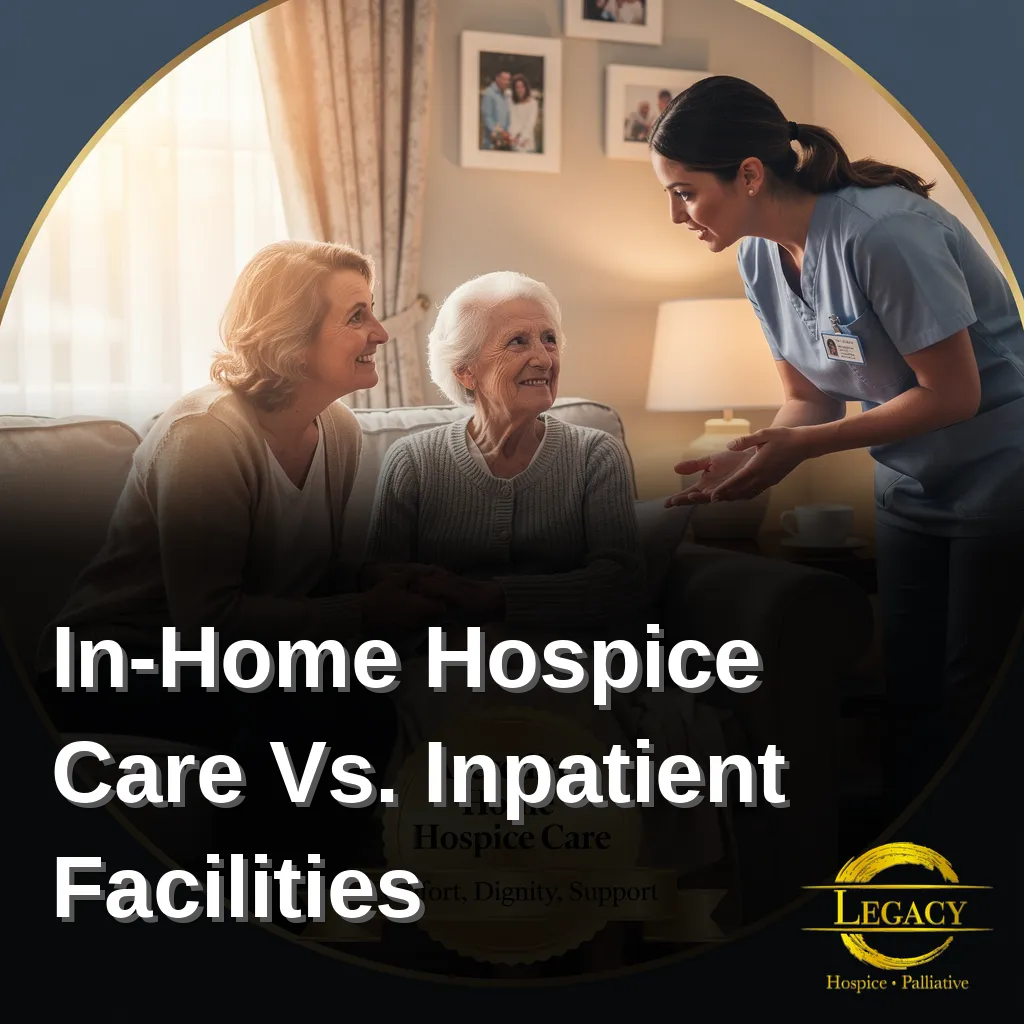
In-home hospice care provides individualized support for patients in the comfort of their home. This model focuses on holistic care, offering medical assistance along with emotional and spiritual support. The patient experiences benefits from familiar surroundings, which can lead to improved comfort and a sense of peace. Additionally, in-home care allows for greater family involvement, providing both physical and emotional support to the patient, which can significantly enhance their quality of life. This type of care is often more cost-effective compared to inpatient facilities, making it an attractive option for many families in San Bernardino.
Legacy Hospice Care offers tailored in-home hospice support services, addressing various spiritual and medical needs while fostering an environment of compassion and understanding. This not only meets the patient’s medical requirements but also emphasizes the importance of emotional well-being during end-of-life care.
In-Home Supportive Services for Older Adults in San Bernardino As older adults live longer, demand for supportive care will increase. Older adults will need a form of long-term care to manage their health and quality of life. As older adults age, they’re susceptible to having one or more chronic conditions. In taking measures to manage the chronic conditions of many older adults, in-home supportive services is a supportive program that provides non-medical personal and instrumental services to help older adults with their activities of daily living. An in-home supportive service allows an older adult to receive assistance and remain comfortably living in his or her home. LOW-INCOME OLDER ADULTS PREPAREDNESS FOR LONG-TERM CARE: IN-HOME SUPPORTIVE SERVICES, 2018
Inpatient Hospice Facilities
Inpatient hospice facilities are structured environments that offer comprehensive medical care around the clock. These centers are designed for patients whose conditions require continuous assessment and extensive medical intervention. Benefits of inpatient care include the availability of specialized equipment and a dedicated medical staff that can respond promptly to changing health needs. However, some patients may experience emotional challenges due to the change in environment and reduced family presence.
Families must consider the significant advantages of access to 24/7 medical support while balancing the emotional health of their loved ones. In some cases, patients with complex medical needs may benefit more from the resources available at inpatient facilities, making understanding these differences crucial for families making care decisions.
When Should Families Consider Inpatient Hospice Over Home Care?
Families may need to consider inpatient hospice care under specific circumstances, such as when a patient’s symptoms progress and require intensive medical intervention. If a loved one exhibits signs of severe pain or requires frequent medical attention, inpatient care might be the best option. Furthermore, when family caregivers are overwhelmed or unable to provide adequate support, the structured environment of an inpatient facility can relieve some of the burdens while ensuring the patient receives the necessary care.
What Defines Inpatient Hospice Facilities and Their Benefits for Patients?
Inpatient hospice facilities are equipped with comprehensive services tailored to meet patients’ complex needs. Key benefits include regular medical supervision, pain management, and psychological support from trained professionals. This structured approach allows for a more managed healthcare environment, which can be essential during critical moments in a patient’s journey.
Comprehensive Inpatient and Home Hospice Care hospice care studied represents a comprehensive approach. Patients received both inpatient and homecare A randomised controlled trial of hospice care, 1984
This comprehensive approach ensures patients receive continuous, high-quality care, whether at home or in an inpatient setting.
Integrated Inpatient and Home Hospice Care Models integrated inpatient hospice care and home care (Table 6). Both small and large units were Palliative care in hospital, hospice, at home: results from a systematic review, IJ Higginson, 2002
In deciding between in-home hospice care and inpatient facilities, families in San Bernardino must weigh various factors. Consider the medical requirements, emotional well-being, and logistical aspects of each option to determine the best fit. Engaging healthcare professionals can provide valuable insights into tailored care pathways, enhancing decision-making for families navigating these challenging circumstances.
Understanding In-Home Hospice Care for San Bernardino Families
In-home hospice care is a service designed to provide support to individuals with terminal illnesses within their home environment. This approach emphasizes holistic care and comfort, catering to both physical and emotional needs. Local providers focus on creating personalized care plans that respect the dignity and preferences of the patient, allowing families to spend quality time together.
Understanding In-Home Hospice Care for San Bernardino Families
By offering tailored care plans, in-home hospice services focus on understanding the unique emotional and physical needs of each patient. Family involvement is encouraged, empowering them to participate in decision-making and providing a sense of agency. This holistic approach fosters not just physical comfort but also emotional well-being, enabling patients to enjoy their remaining time surrounded by loved ones and familiar settings.
What Are the Key Differences Between In-Home Hospice and Palliative Care?
Understanding hospice vs palliative care is essential for families evaluating their options: while both aim to improve the quality of life for patients, there are defining distinctions between the two. Hospice care is specifically designed for individuals at the end of life, providing support when curative treatment is no longer pursued. In contrast, palliative care can be administered alongside curative treatments, focusing on alleviating symptoms and improving quality of life regardless of the illness stage.
What Are the Advantages of Inpatient Hospice Care for Complex Medical Needs?
Inpatient hospice care offers significant advantages for patients with complex medical needs, such as regular access to expert medical interventions and 24/7 monitoring. These facilities are staffed with healthcare professionals trained in pain management and advanced symptom control, enabling immediate responses to any arising health issues. Families benefit from the peace of mind that comes with knowing their loved ones are receiving comprehensive care in a supportive environment.
How Can San Bernardino Families Decide Between Home Hospice Care and Inpatient Facilities?
Deciding between home hospice care and inpatient facilities involves careful consideration of individual medical needs and family dynamics. Families should assess the patient’s current health status, symptom management requirements, and the emotional support available at home. Engaging in open discussions with healthcare providers can help clarify the best options, ensuring that both the patient and family feel supported in the care journey.
What Signs Indicate a Loved One Needs Hospice Care in California?
Recognizing signs of decline is essential in determining when hospice care may be appropriate. Key indicators include noticeable changes in health status, increased symptoms such as pain or difficulty breathing, a decline in mobility, or frequent hospitalizations. When loved ones exhibit these signs, it may be time to consider hospice options to ensure their comfort and dignity.
How Do Family Support Needs Influence Hospice Care Choices?
The needs of family members often play a crucial role in determining the type of hospice care chosen. Family dynamics and caregiver availability significantly impact decisions, as emotional and practical support can heavily influence a patient’s quality of life. Considerations around cultural sensitivities and family traditions also affect care choices, underscoring the importance of aligning care with family values.
What Are the Hospice Care Coverage Options and Costs for San Bernardino Families?
Navigating hospice care coverage is essential for families to manage financial aspects effectively. Many insurance plans, including Medicare, provide options for hospice care that can alleviate out-of-pocket expenses. Understanding the specific coverage details, eligibility criteria, and expected costs is vital for families making these decisions. Legacy Hospice Care guides families through these complexities, ensuring they can access the services they need without overwhelming financial burden.
What Resources Does Legacy Hospice Care Offer to Assist Families Financially and Emotionally?
Legacy Hospice Care provides various resources to support families during challenging times. This includes financial aid guidance, emotional support services, and access to volunteer assistance programs. By addressing both financial and emotional needs, Legacy Hospice aims to empower families in making informed decisions that honor their loved ones’ wishes.